12 February 2026
Introduction to Devon: A Hidden Gem
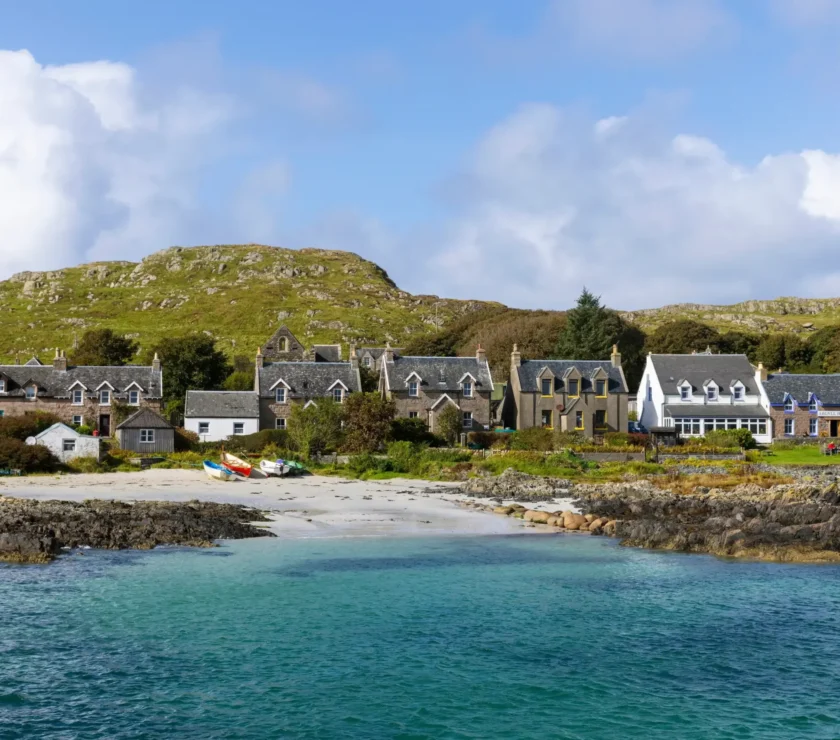
Located in the southwest of England, Devon is a region renowned for its breathtaking landscapes and rich cultural heritage. Bordered by the Atlantic Ocean to the north and the English Channel to the south, Devon boasts one of the most diverse coastlines in the UK. The region’s stunning beaches, charming villages, and dramatic cliffs entrench it as a geographical marvel that attracts visitors from all walks of life.
One of the most compelling features of Devon is the Dartmoor National Park. Spanning over 954 square kilometers, this park is characterized by its rugged moorlands, granite tors, and numerous walking trails that showcase the region’s natural beauty. Dartmoor is not only a haven for outdoor enthusiasts but also holds a significant place in folklore, inspiring numerous tales and legends, which adds cultural depth to its allure.
Moreover, the region is steeped in history, with towns such as Exeter, which dates back to Roman times, displaying an impressive mix of ancient architecture and contemporary culture. Exeter’s impressive cathedral and well-preserved city walls reveal the rich tapestry of Devon’s past. Additionally, towns like Torquay and Bideford offer lively atmospheres with their unique shops, restaurants, and attractions, appealing to both history lovers and modern travelers alike.
Devon’s vibrant communities contribute to its cultural significance, with traditions that encompass maritime history, local festivals, and the culinary art of cream teas. The distinctiveness of Devon’s landscape and its historical towns, combined with its warm community spirit, undeniably make Devon a hidden gem worth exploring. From the picturesque coastline to the serene beauty of Dartmoor, this enchanting region promises a memorable experience for all who venture to discover its treasures.
Unforgettable Natural Wonders of Devon
Devon, nestled in the southwest of England, is renowned for its stunning natural attractions that captivate both residents and visitors alike. With its breathtaking coastline, rolling hills, and picturesque villages, Devon offers a remarkable landscape that is both diverse and inviting. The dramatic cliffs along the Exmoor and Dartmoor coasts provide a perfect setting for walking enthusiasts and nature lovers.
The coastline, a designated UNESCO World Heritage Site, features stunning geological formations, sandy beaches, and charming fishing villages. The Jurassic Coast stretches for 95 miles and is famous for its fossilized treasures and striking cliffs. Visitors can explore the sandy expanses of Woolacombe and Croyde Bay, ideal for both relaxation and exhilarating water sports, including surfing and paddleboarding. The vibrant beach culture is complemented by a range of local eateries offering fresh seafood caught daily.
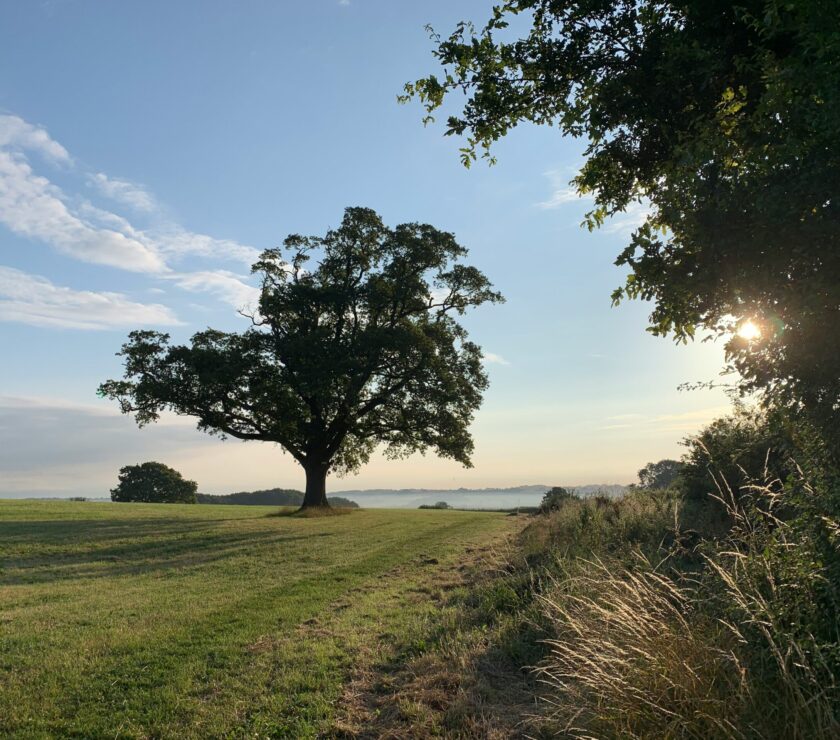
Inland, Dartmoor National Park presents a different kind of scenery. Its wild terrain, dotted with granite tors and ancient woodland, is a haven for hikers and cyclists alike. Whether tackling the rugged trails or enjoying a leisurely stroll through the charming villages like Postbridge and Widecombe-in-the-Moor, these areas provide an enriching experience for outdoor adventurers. The park is also home to diverse wildlife, making it a perfect spot for birdwatching and photography.
Further exploring Devon’s wonders, the gentle hills of the South Hams coastline offer a contrastingly peaceful environment, ripe for exploration. Nature reserves such as AONB (Area of Outstanding Natural Beauty) showcase the region’s flora and fauna, with opportunities for wildlife sightings that are sure to enrich any visit. The quaint villages, adorned with thatched cottages and vibrant gardens, provide a picturesque backdrop for those looking to experience Devonian charm.
Devon’s Rich History and Cultural Heritage
Devon, renowned for its breathtaking landscapes, is equally distinguished by its rich historical narrative and cultural heritage. Spanning centuries, the county’s history is marked by significant events and influences that have shaped its current identity. Central to this narrative are the numerous ancient castles and fortifications that stand testament to its storied past.
Exemplifying this heritage is the majestic Exeter Castle, which dates back to the 11th century and serves as a prime illustration of Norman military architecture. Similarly, Dartmoor’s ancient stone circles are remnants of early civilizations, offering insights into the lives of the region’s prehistoric inhabitants. Such landmarks foster a deep appreciation of Devon’s history amongst locals and visitors alike, promoting an understanding that this area was once pivotal in various historical narratives.
Furthermore, museums across Devon serve as custodians of its cultural legacy. The Royal Albert Memorial Museum in Exeter houses impressive collections that document the area’s social, artistic, and natural history, while the Maritime Museum in Torquay highlights the importance of seafaring to Devon’s development. These institutions play an essential role in educating future generations about the significance of preserving cultural artifacts and historical narratives.
In addition to physical landmarks, local traditions and festivals embody the cultural spirit of Devon. Events such as the Exeter Food and Drink Festival showcase the province’s culinary heritage, while celebrations like the Sidmouth Folk Festival reflect its artistic dedication. Each tradition, whether culinary, musical, or artistic, strengthens the connection between Devon’s past and present, inviting individuals to engage with the region’s cultural tapestry.
Overall, Devon’s rich history and cultural heritage are interwoven, creating a vibrant identity that is celebrated and cherished by its inhabitants. This intricate past provides a foundation upon which contemporary culture is built, ensuring that Devon’s legacy continues to thrive and evolve.
Gastronomic Delights: Exploring Devon’s Culinary Scene
Devon, renowned for its stunning coastline and picturesque landscapes, also boasts a rich culinary heritage that reflects its agricultural abundance and maritime bounty. One cannot speak of Devon’s gastronomy without mentioning the famous cream tea, consisting of scones served with clotted cream and strawberry jam. This quintessentially British treat is best enjoyed at local tea rooms, such as the highly esteemed Betty’s Tea Room in Exeter, where visitors can indulge in a slice of Devon’s culinary tradition amidst charming surroundings.
The food culture in Devon extends far beyond cream teas. The region is blessed with numerous coastal fishing villages that supply a variety of fresh seafood. Dishes featuring crab, lobster, and fish are prevalent in local restaurants. For an exceptional dining experience, The Seafood Deli in Salcombe is highly recommended, renowned for its fresh catch and mouthwatering seafood platters. Additionally, visitors should explore local markets, such as the Exeter Farmers’ Market, which showcases regional produce, artisanal cheeses, and homemade pastries, offering an authentic taste of Devon.
Moreover, food festivals in Devon present another exciting avenue to explore the culinary diversity. Events such as the Devon County Show and the Dartmouth Food Festival provide an opportunity not only to sample local delicacies but also to interact with producers and chefs. These gatherings celebrate local ingredients and innovative cooking techniques, emphasizing the importance of sustainability and farm-to-table practices.
Whether you are dining at a Michelin-starred restaurant or enjoying a casual meal at a family-run pub, the culinary scene in Devon promises to delight every palate. The region’s commitment to fresh, locally sourced ingredients ensures that every dish is not just a meal but a representation of Devon’s rich agricultural and maritime history.